
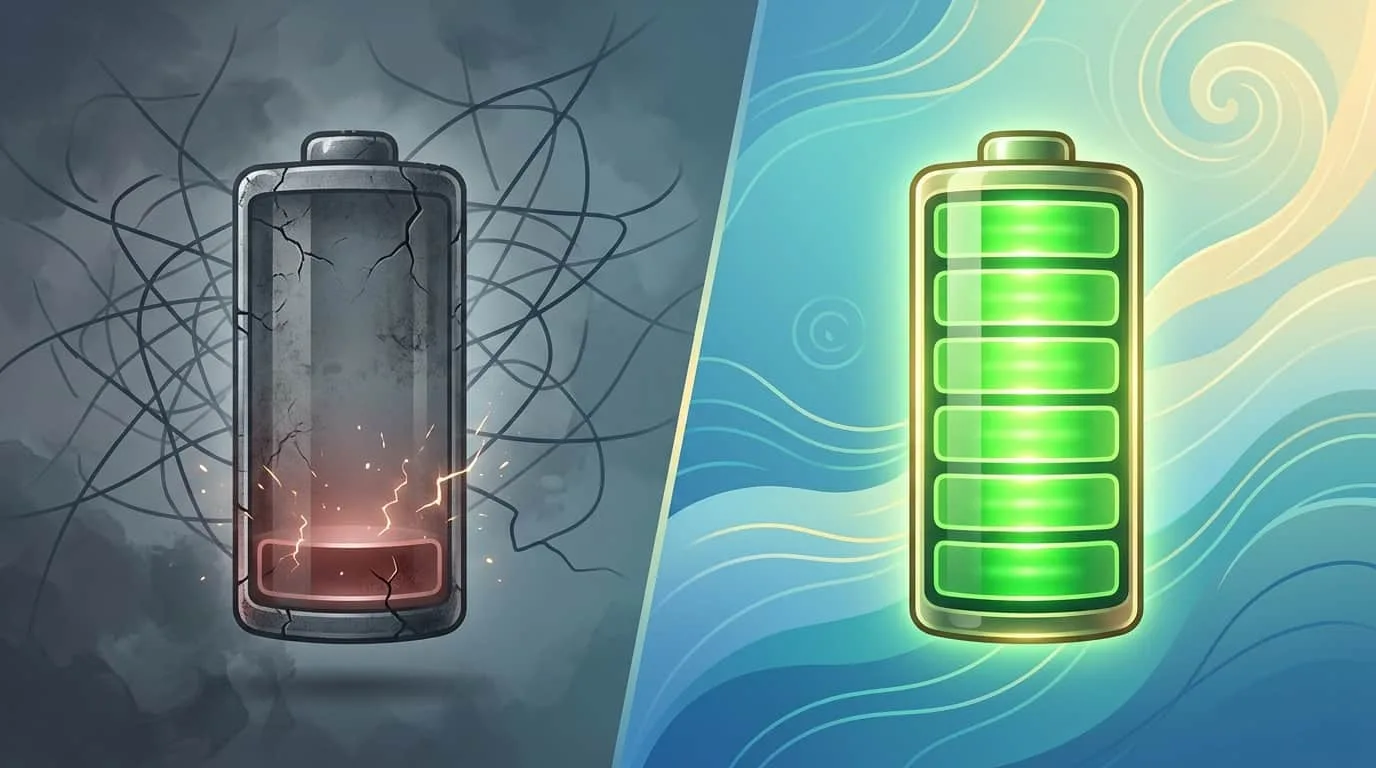
You can learn how to manage emotional burnout by recognizing it as a physiological nervous system overload, not a personal failure. Recovery requires setting firm boundaries, taking mindful micro-breaks during clinical shifts, and utilizing strength-based therapy. Addressing these root causes helps restore your energy and long-term well-being.
Medical residents and high-achieving professionals in Orlando face an intense, demanding environment every single day. The constant pressure of clinical rotations often leaves you feeling completely drained and disconnected from the patients you want to help. If you feel like you are running on empty, contact Evolve Counseling & Wellness at (407) 616-5948 to start your recovery. You don't have to carry this heavy load alone.
What Are the Early Signs of Emotional Burnout?
The early signs of emotional burnout include chronic emotional exhaustion, depersonalization, and a severely reduced sense of personal accomplishment. You might notice a creeping cynicism toward patients or colleagues. Burnout happens when your nervous system experiences constant overload. It is a physiological response to sustained stress, not a personal failure.
I have seen this happen with dozens of medical professionals near Lake Eola. They push through 80-hour workweeks and dismiss their extreme fatigue as normal. Subtle indicators include snapping at loved ones, dreading your alarm clock, and feeling completely detached from your clinical outcomes. Catching these signs early helps you adjust your routine before total exhaustion sets in. Your body sends these signals for a reason. Listen to them.
How Can Medical Residents Prevent Burnout Before It Strikes?
Medical residents can prevent burnout by building resilience through strict lifestyle boundaries and daily nervous system regulation. Taking just 15 minutes a day for deep breathing exercises reduces cortisol levels by nearly 20 percent. Protecting your off-hours gives your brain the necessary downtime to process complex clinical trauma.
Proactive prevention requires intentional choices. Set a hard stop for checking emails after your shift ends. Focus on sleep hygiene by aiming for seven hours of uninterrupted rest. Nutrition also plays a massive role. Eating balanced meals instead of relying on hospital cafeteria snacks keeps your energy stable. If you struggle with boundary setting, in-person therapy provides a safe space to practice these critical skills. Building these habits takes time, but the payoff is a sustainable career.
What Are the Best Clinical Strategies for In-the-Moment Relief?
The most effective in-the-moment strategies for clinical stress include taking 60-second micro-breaks and engaging in peer debriefing. Stepping away to a quiet room between patient consultations helps reset your baseline stress. Connecting with a trusted colleague immediately after a difficult case prevents emotional residue from building up.
When you are in the middle of a chaotic shift at a busy Central Florida clinic, you need immediate tools. I tell my clients to use the “box breathing” technique before walking into a challenging patient room. Inhale for four seconds, hold for four, exhale for four, and hold for four. Peer support also acts as a vital buffer. Form a small group of trusted residents to debrief with after tough shifts. You understand exactly what your peers are going through.
How Do Organizations Fix Systemic Burnout Issues?
Healthcare organizations fix systemic burnout by promoting fair workload distribution, ensuring adequate staffing levels, and implementing accessible mental health resources. Leadership must actively foster a burnout-aware environment where staff can speak up about unsafe patient loads without fear of retaliation. True solutions require structural changes, not just wellness seminars.
While personal coping mechanisms help, the clinical environment itself often needs repair. Advocate for policies that limit consecutive overnight shifts. We know that medical errors increase by up to 36 percent when residents work more than 24 consecutive hours. Organizations must step up by offering comprehensive Employee Assistance Programs and actively encouraging their staff to use them.
When Should Healthcare Professionals Seek Professional Help?
Healthcare professionals should seek professional help when exhaustion affects their patient care, relationships, or personal safety. Experiencing panic attacks, severe depression, or relying on substances to cope means you require immediate support. Reaching out to a licensed therapist shows immense strength and commitment to your long-term career.
There is a heavy stigma around mental health in the medical field. Many doctors fear that asking for help will damage their reputation. We need to shatter that myth. Whether you need therapy for managing emotional burnout or specialized therapy for lawyers and other high-stress professionals, expert guidance makes a profound difference. At Evolve Counseling & Wellness, we use strength-based therapy to help you rebuild your confidence and process the heavy emotions of your daily work. We regularly treat professionals from the Baldwin Park area who require a confidential space to heal.
Ready to Overcome Your Burnout?
A holistic approach to your well-being keeps you sharp, compassionate, and healthy. You dedicate your life to caring for others. Now, you need to extend that same care to yourself. If you want to know exactly how to manage emotional burnout and build a resilient career, reach out today. Contact Evolve Counseling & Wellness at (407) 616-5948 to schedule your consultation.