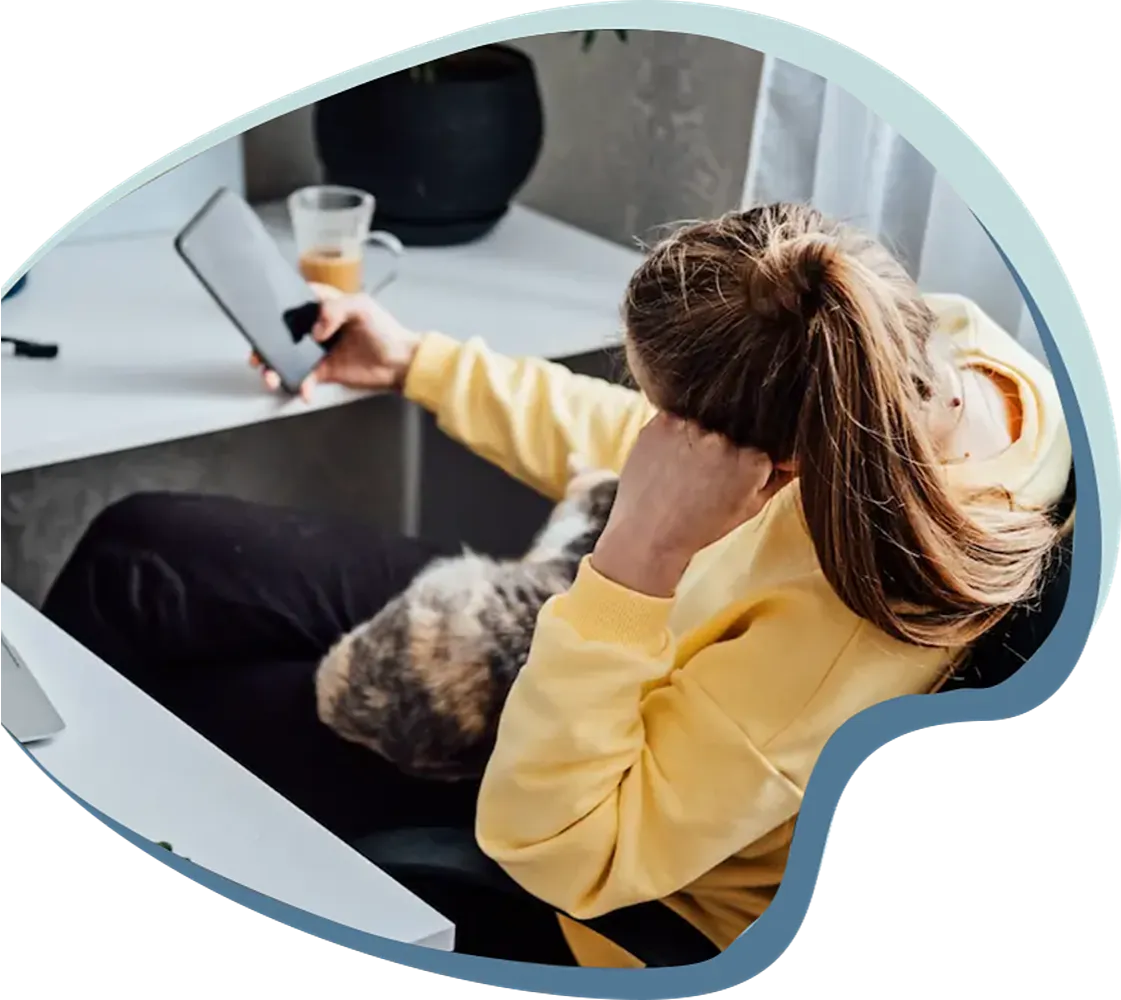
Break the cycle of procrastination for good
Stop letting anxiety and avoidance dictate your schedule. Get matched with an expert therapist who helps you understand the "why" behind your procrastination and gives you the tools to reclaim your time.
Understanding why we wait
Procrastination is often misunderstood. It is easy to label yourself as "lazy" or "unmotivated" when you find yourself scrolling through social media instead of finishing that report or cleaning the garage. But in reality, procrastination is rarely about laziness. It is a complex emotional response that impacts your mental health, your career, and your relationships.
In today’s world, temptations are everywhere. Our phones are designed to distract us, making it incredibly easy to put things off. However, for many people, procrastination is actually a defense mechanism. It is an attempt to avoid uncomfortable feelings. This avoidance is one of the biggest contributors to anxiety. When you push a task away, you might feel temporary relief, but the anxiety about that task grows in the background. It becomes a vicious cycle: the more you avoid, the more anxious you feel, and the harder it becomes to start.
For others, especially those who are neurodiverse or struggle with ADHD, procrastination can be linked to "pathological demand avoidance" (PDA). This is a strong, often involuntary reaction to demands or expectations. It isn't just stubbornness; it is often rooted in a nervous system response, sometimes connected to early life trauma. When your nervous system views a demand as a threat, it shuts down. This creates a mountain of stress as you try to play catch-up, leading to deep feelings of shame for not being "on top of things." Whether it is simple distraction or a deeper trauma response, understanding the root cause is the first step toward change.
Common Excuses We Use to Procrastinate
How Procrastination Therapy Helps You Take Back Control
Finding the right therapist is about more than just having someone to talk to; it is about building a strategy to change your life. Online therapy provides a structured, supportive environment where you can dismantle the habits that hold you back. We move beyond simple time-management tips and dig into the behavioral modifications that actually stick.
Working with a therapist allows you to devise a personalized plan. We look at practical tools like tracking your time, establishing new habits, and setting up reward systems that reinforce positive behavior. But we also do the deeper work. If your procrastination is fueled by anxiety, we teach you how to manage those avoidant tendencies. You will learn that avoidance doesn't actually protect you—it traps you. By facing these feelings with expert guidance, the anxiety loses its power.
For those dealing with trauma or issues like pathological demand avoidance, therapy is crucial for healing the original wounds. A trained trauma therapist can help you expose and heal the experiences that programmed your nervous system to react this way. The goal is to move you from a state of reaction—where you are being directed by a traumatized nervous system—to a place of agency. You will gain the power to make choices based on what you want, not what you fear. By addressing both the practical habits and the underlying emotional causes, you can break the cycle of shame and stress, leading to a more productive, peaceful, and fulfilling life.
I’m not sure I’m up for therapy, it sounds stressful. Should I still come and see you?
It’s important that you consider the toll this is taking on your life. Many times, people battling with procrastination have trouble leading productive lives. I encourage you to consider treatment before it gets to that level. I am happy to discuss treatment options with you. Feel free to schedule a complimentary phone consult with me if you’d like to learn more about treatment options.
Healing isn’t about fixing what’s broken — it’s about remembering what’s whole.
If you are ready to be free from the obsessions and compulsions that hijack your time and your life, please contact me today to set up a complimentary phone consultation to discuss treatment options.
Contact Me