
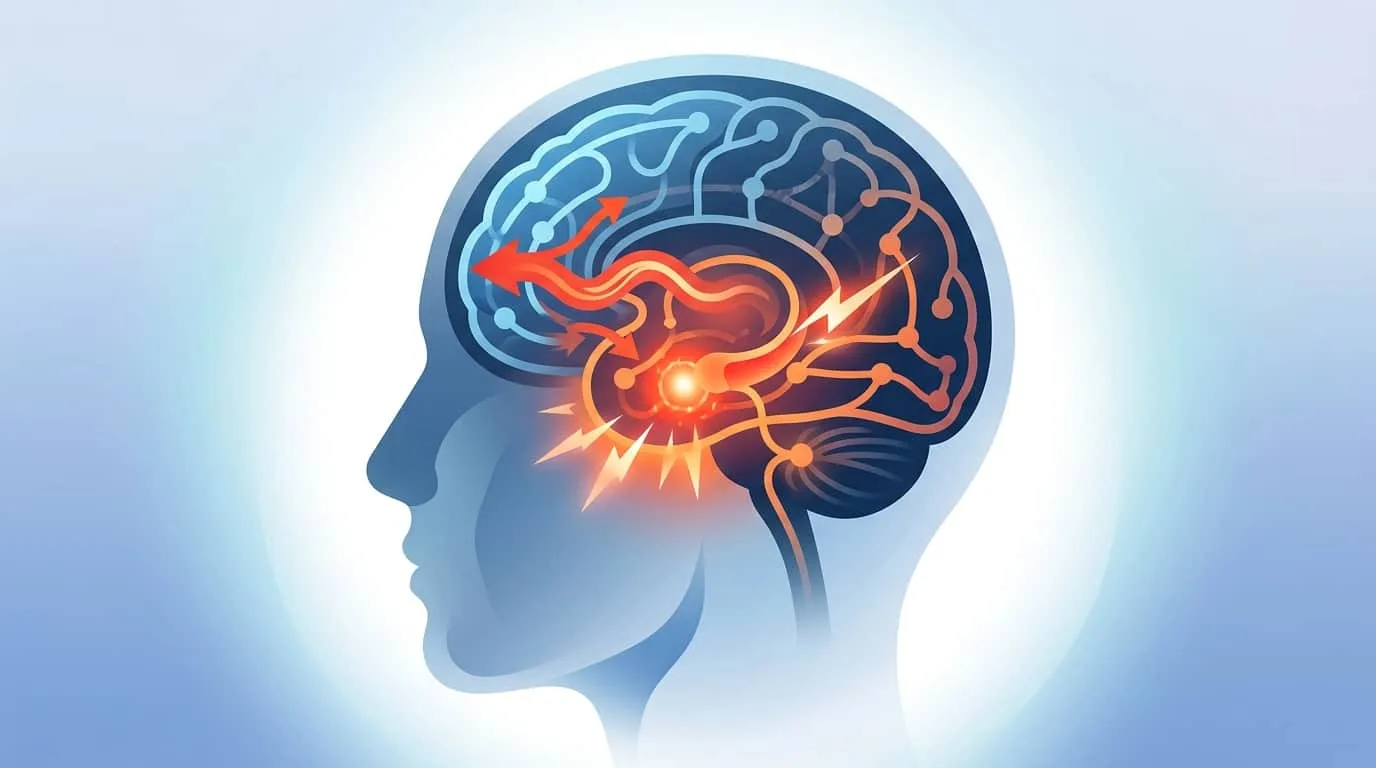
What happens in the brain when we procrastinate is a battle between two specific regions. The amygdala perceives a challenging task as a threat and triggers anxiety. The prefrontal cortex gets overwhelmed. Your brain then seeks immediate comfort from the nucleus accumbens, leading you to avoid the task entirely.
Putting off important tasks often feels like a character flaw, but it is actually a complex neurological response. Many Orlando residents struggle with chronic avoidance, watching deadlines approach while feeling completely paralyzed. You do not have to fight this internal battle alone. Contact Evolve Counseling & Wellness at (407) 616-5948 to start rewiring your stress response today.
What Happens in the Brain When We Procrastinate?
When you avoid a task, your limbic system overpowers your prefrontal cortex. The amygdala senses stress associated with a difficult project and triggers a fear response. The prefrontal cortex, which handles long-term planning, fails to regulate this anxiety. Your brain then demands the immediate dopamine release provided by easier tasks.
Our therapists typically find that understanding this biological process removes a massive amount of shame for our clients. You are not lazy. You are experiencing a misfiring threat response. The prefrontal cortex is the logical captain of the ship. The amygdala is the emotional alarm system. The nucleus accumbens is the reward center. When faced with a stressful demand, the alarm system blares. The logical captain gets drowned out. The reward center offers a quick fix, like scrolling social media or organizing a desk.
This process explains exactly what happens in the brain when we procrastinate. The nervous system prioritizes short-term emotional regulation over long-term goals. Over time, this becomes a deeply ingrained habit. We see this frequently in our therapy for procrastination sessions. Clients describe feeling physically unable to start a project.
Why Does the Brain Avoid Difficult Tasks?
The brain avoids difficult tasks because it calculates cognitive load and threat levels. If a project requires intense focus, the brain predicts high-energy expenditure and tries to conserve resources. If a task triggers fear of failure, the nervous system actively protects you by forcing avoidance.
High cognitive load leads to feeling overwhelmed. Central Florida professionals juggle demanding careers and busy family lives. When you sit down to tackle a massive project, your brain perceives it as an insurmountable mountain. It begs for a simpler task to get a quick win. This is a failure of self-regulation. Your logical mind knows the deadline is approaching, but the impulse to avoid discomfort wins the moment.
Threat perception plays an even bigger role. If you fear producing subpar work, your brain treats the task like a physical danger. Avoidance provides instant relief from that fear. However, that relief is temporary. The anxiety returns stronger the next day. This cycle often requires professional intervention through Evolve Counseling & Wellness to fully resolve.
How Can You Break the Procrastination Cycle?
You can break the procrastination cycle by reducing perceived threats and manipulating your brain's reward system. Break large projects into 15-minute chunks to lower the cognitive load. Pair difficult tasks with immediate positive rewards to satisfy the nucleus accumbens.
Small steps tell the amygdala that you are safe. When a client in Baldwin Park feels overwhelmed by a home renovation, we ask them to just spend 10 minutes looking at paint colors. Lowering the barrier to entry prevents the fear response from triggering. Once you start, momentum frequently carries you forward.
Mindfulness and emotional regulation also manage anxiety. When you feel the urge to avoid a task, pause and notice the physical sensation of stress. Do not judge it. Just observe it. This engages the prefrontal cortex and quiets the amygdala. Environment design is another powerful tool. Remove your phone from the room. Block distracting websites. Eliminate the cues that trigger your avoidance habit. Finding accountability through a friend or a structured, strength-based therapy program provides the external motivation needed to stay on track.
What Are the Long-Term Impacts of Chronic Procrastination?
Chronic procrastination increases cortisol levels and leads to severe anxiety, depression, and burnout. Over a 5-year period, individuals who chronically delay tasks report a 40% higher rate of stress-related health issues compared to those who take immediate action.
The mental health toll is significant. Living in a constant state of impending deadlines keeps the nervous system trapped in fight-or-flight mode. This chronic stress drains your energy and makes future tasks even harder to start. The resulting shame and guilt often manifest as depression. You begin to doubt your capabilities.
Career implications are equally severe. Missed deadlines limit promotions and damage professional reputations. You miss out on personal growth because you avoid challenging opportunities. Understanding what happens in the brain when we procrastinate is the first step toward reclaiming your potential.
Taking Control of Your Brain's Responses
Procrastination is a biological stress response, not a personal failure. By understanding the conflict between your logical brain and your emotional brain, you can implement strategies to lower anxiety and increase action. You have the power to rewire your habits and reclaim your productivity.
If you are ready to break the cycle of avoidance and regain control of your time, we are here to help. Contact Evolve Counseling & Wellness at (407) 616-5948 to schedule your consultation. We offer compassionate in-person therapy at our office near Winter Park and virtual sessions throughout Florida.